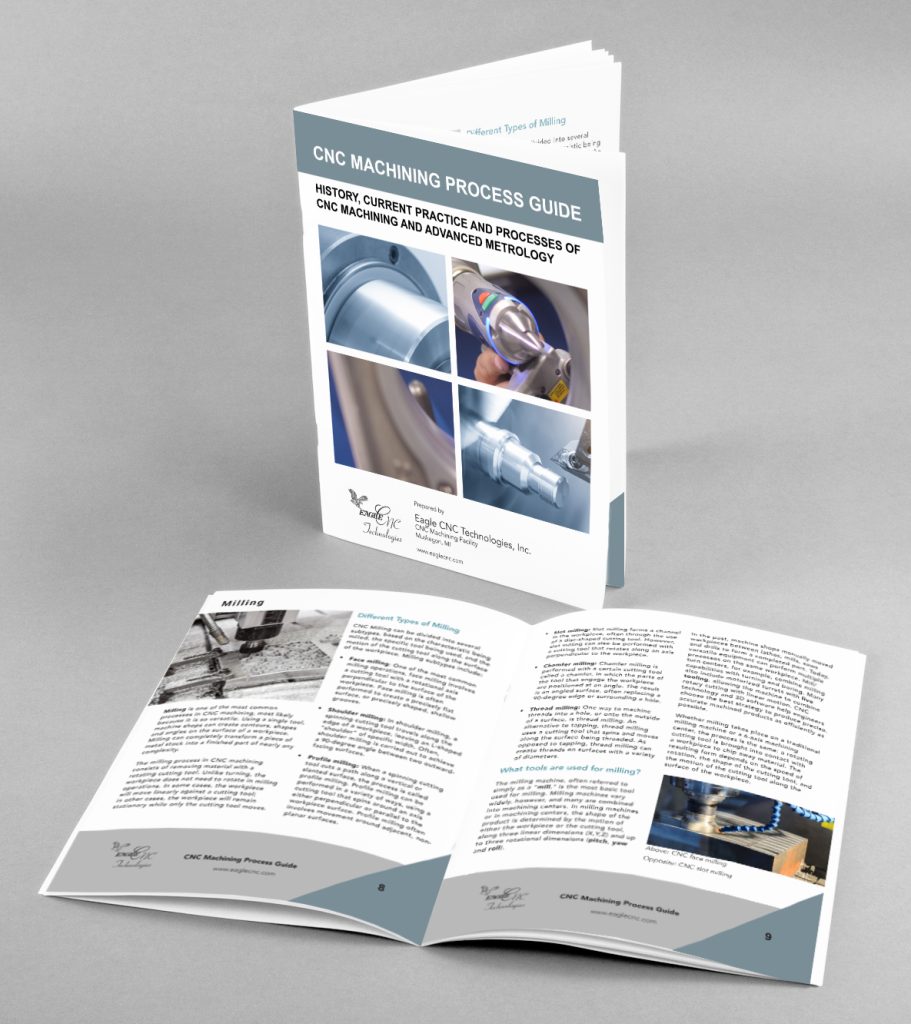
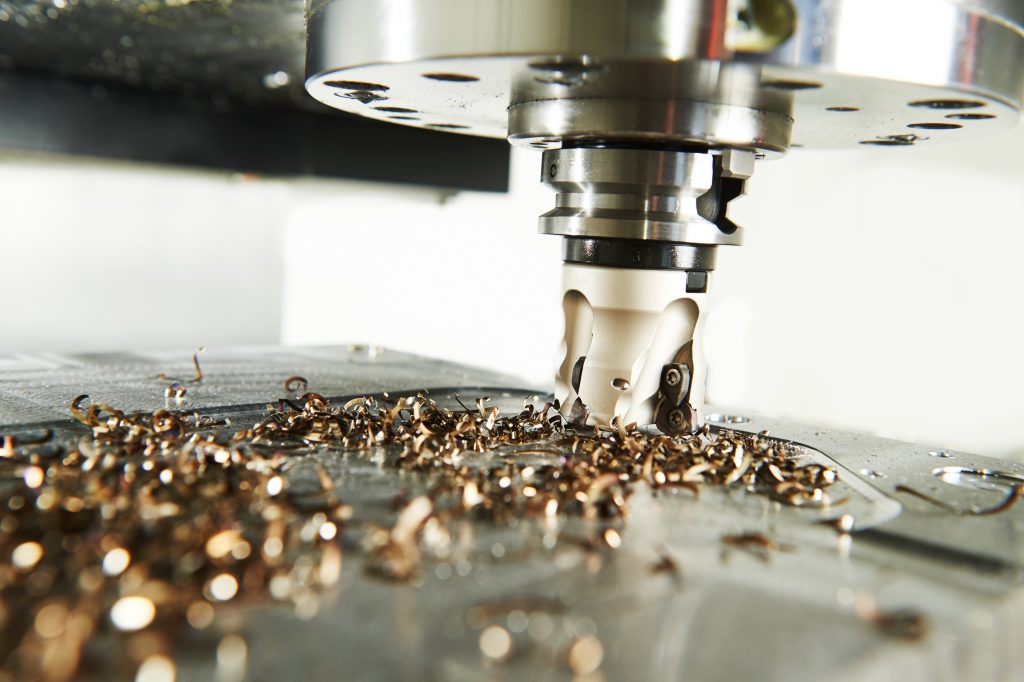
The Eagle Group is offering a new Ebook outlining the processes of CNC machining and advanced metrology. Titled “CNC Machining Process Guide: History, Current Practice and Processes of CNC Machining and Advanced Metrology,” the 25-page resource is intended to help manufacturing purchasers, OEM companies and engineers to get a better idea of how CNC machining […]
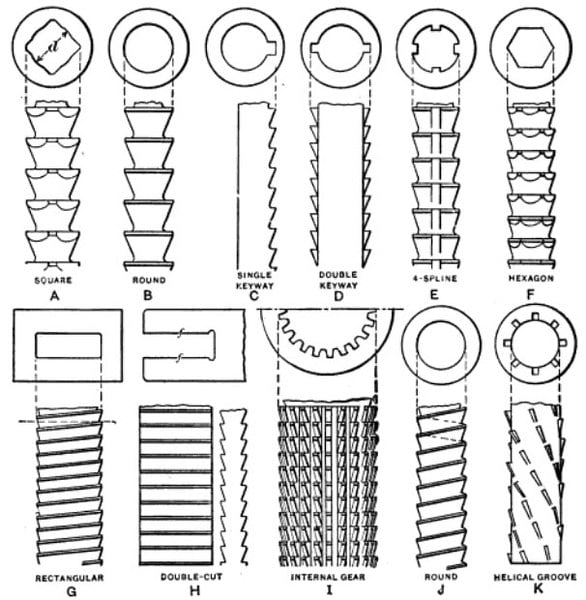
Broaching is a machining process using a cutting tool with teeth that increase in size from front to back. In many cases, an entire surface (or multiple surfaces) can be finished in a single pass with broaching. The technique is most often applied to finish holes, splines and flat surfaces. Broaching is a relatively new […]
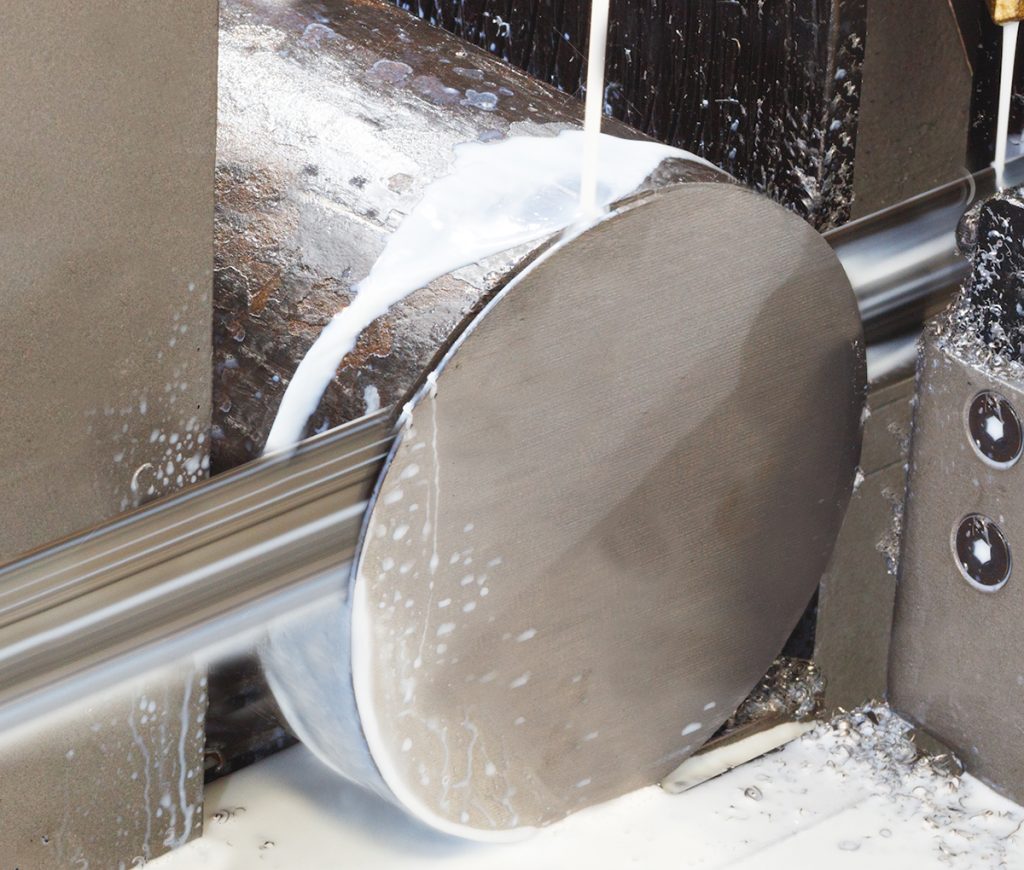
Sawing is one of the oldest cutting techniques in use today, and innovations have allowed the process to keep up with advances in material, tolerances and product complexity. By definition, sawing is cutting a narrow slit in a workpiece by moving a toothed or abrasive cutting tool against the surface. Sawing is often used to […]
Boring may not sound like a very exciting topic, but don’t let names deceive you: boring is one of the most widely used techniques in machining, and one of the most reliable ways to finish holes. Boring is the process of enlarging and finishing pre-existing holes. The holes might have been cast, drilled or otherwise […]
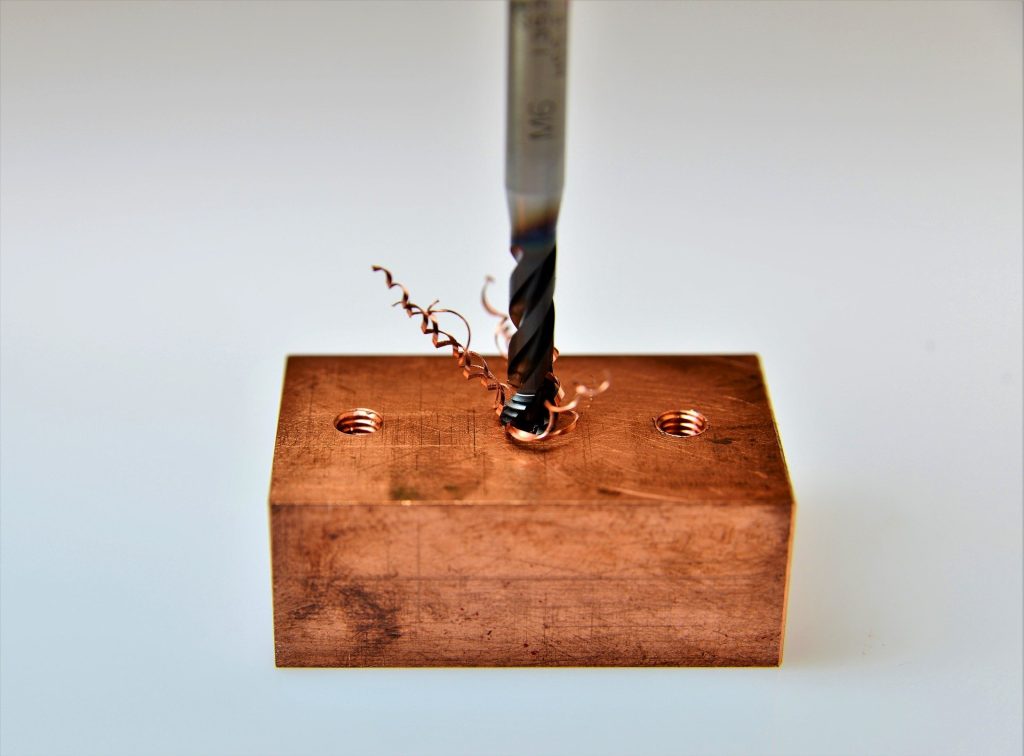
Drilling is one of the most common techniques used in manufacturing to create holes. In contrast to other hole-making methods like boring, reaming and tapping, drilling is most often used to create holes in unbroken surfaces. In precision CNC machining, drilling can range in scope from simple, rough hole drilling to complex, multi-feature hole drilling.
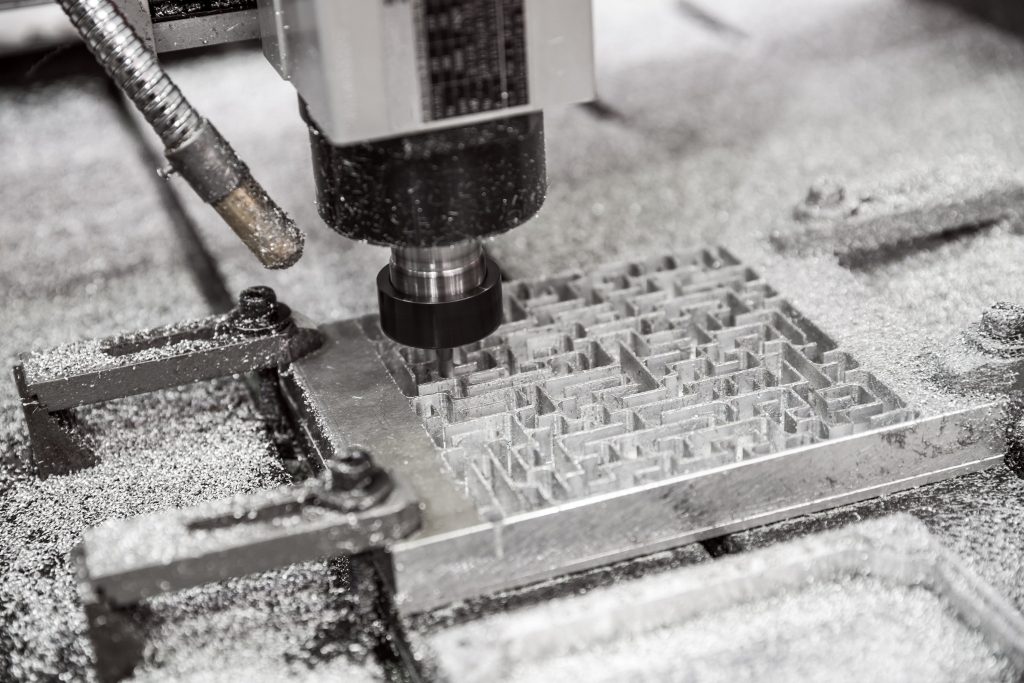
Milling is one of the most common processes in CNC machining, most likely because it is so versatile. Using a single tool, machine shops can create nearly limitless shapes on the surface of a workpiece. Milling can completely transform a piece of metal stock into a finished part of nearly any complexity. The milling process in […]
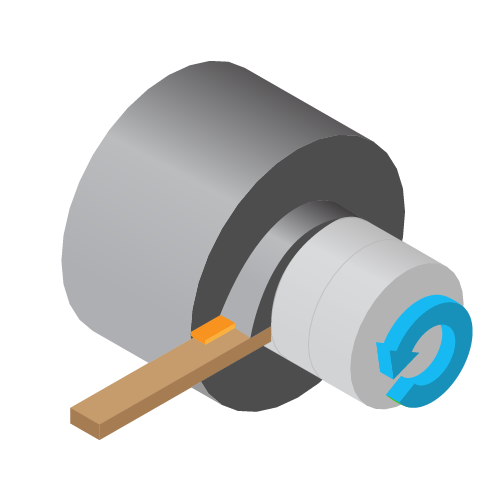
Turning has been practiced by machinists for centuries on many different materials. Originally, turning acted on wood to create complex, cylindrical designs for use in tools, handles, furniture. Today, turning is a vital part of the metal manufacturing process, and a major technique used by precision CNC machine shops in the United States and around […]
Our new blog series What Precision Machine Shops Do focuses on the processes, equipment and knowledge involved in modern machining. We’ll take a close look at key metal removal techniques like milling, turning, facing, boring and tapping, along with the many products and parts that work as a result of these processes. For the most […]
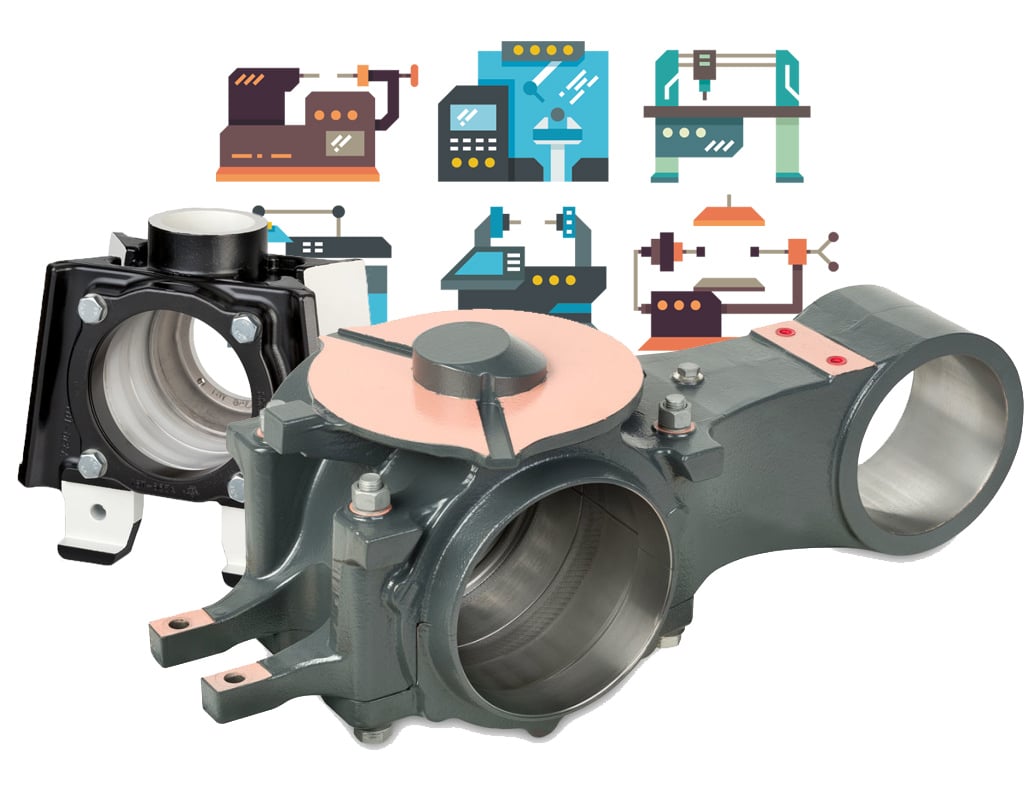
CNC Machining is often the last step in metal manufacturing, or sometimes the only process involved. Compared to other metalworking techniques, CNC machining is capable of meeting the tightest tolerances, and producing the most accurate, precise products over and over again.
When time and flexibility are top priorities, rapid prototyping for castings offers manufacturers a fast-track route to producing complex cast parts in small quantities. At
Eagle CNC’s West Michigan machine shop provides some of the highest-precision machining available, but the meaning of precision in machining is constantly changing. Industries across the board
ESOP is a way to transfer company ownership from one generation to the next—in many cases, this transfer happens when the original owners sell their stake
Recently, Eagle Alloy squared off against the demanding technical requirements and thorough audits of the American Bureau of Shipping’s “Type Approval” certification. Through this process,
The latest resource from the Eagle Group provides a comprehensive introduction to heat treatment in metalcasting and CNC machining. This 40-page guide is available as